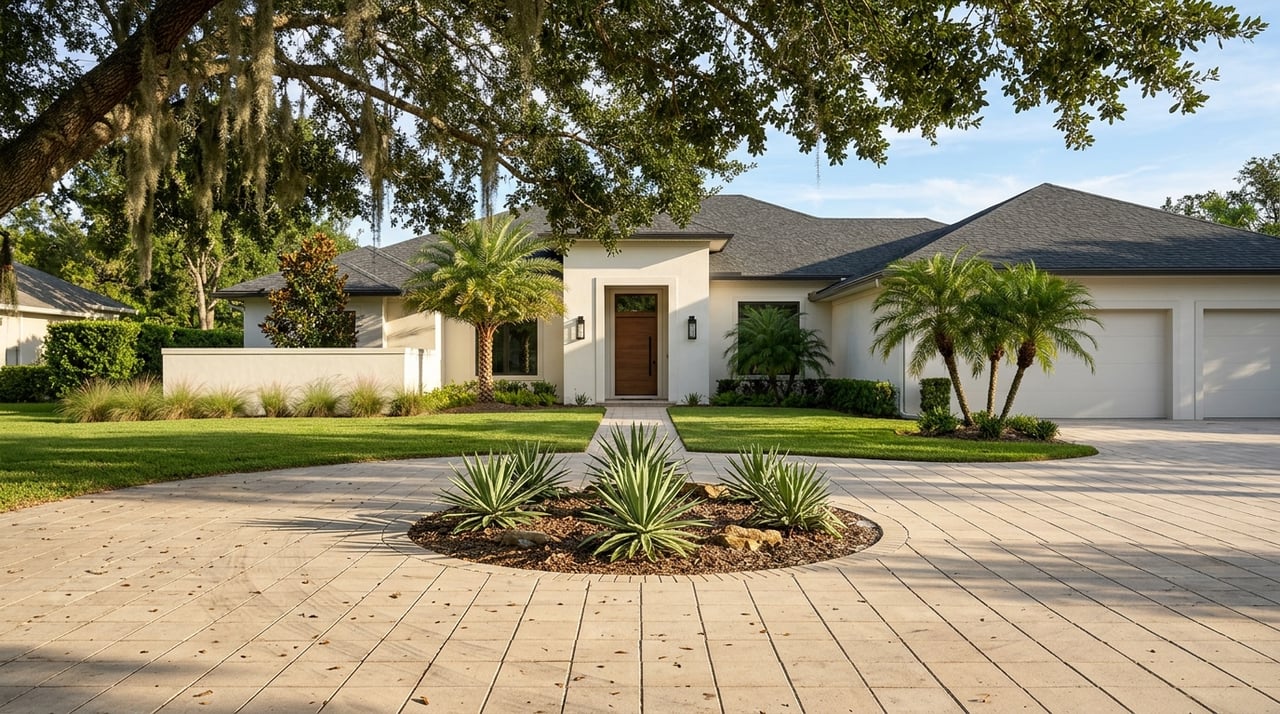
If you are searching for acreage or an estate home in Keystone, you are not just buying a house. You are buying land, access, flexibility, and a very specific way of living. That can be exciting, but it also means you need to look beyond square footage and finishes. In this guide, you will learn what makes Keystone different, what to watch for before you make an offer, and how to approach the process with more confidence. Let’s dive in.
Why Keystone acreage feels different
Keystone-Odessa is treated by Hillsborough County as a rural community planning area. County planning language emphasizes a rural residential character with lakes, agricultural activity, varied lot sizes, and a scattered development pattern.
That matters because many properties here do not behave like homes in a typical subdivision. In Keystone, the land itself often shapes the value, the use, and the long-term potential of the property.
County rural standards also describe the Rural Area as intended for long-term agricultural uses and large-lot, low-density residential development, with a baseline of one dwelling unit per five acres. Recent county filings in the area include parcel examples of 2.32, 5.03, and 9.7 acres, which shows how often buyers need to think in acreage terms.
What you are really buying
When you buy acreage in Keystone, you are usually buying more than privacy. You may also be buying room for outdoor hobbies, storage, gardening, workshops, or future site improvements, depending on the parcel’s zoning and permitting status.
Hillsborough County code recognizes agricultural uses such as pasture for cattle, horses, sheep, or goats, along with bee keeping, fish ponds, and horse stables in agricultural contexts. That gives many buyers a clearer picture of why Keystone appeals to people who want more breathing room and more land-based flexibility.
Still, every parcel is different. Two homes with similar living area can offer very different value if one sits on a private two-acre homesite and another is on a larger tract with more restrictions tied to access, floodplain, wetlands, trees, or site improvements.
Estate homes here are parcel-specific
This is one of the biggest mindset shifts for buyers. In Keystone, an estate home is often a parcel-specific purchase, not just a luxury-home purchase.
That means you should evaluate the house and the land together. A beautiful home on acreage may still require extra review if you plan to add a detached building, clear land, keep animals, or confirm whether part of the property could support future use.
In other words, the same features that make Keystone appealing can also make due diligence more important. The goal is not to avoid acreage. The goal is to understand exactly what you are buying.
What acreage can offer you
For many buyers, Keystone acreage supports a lifestyle that is harder to find in conventional neighborhoods. The most common benefits include:
- More privacy and separation from neighbors
- More room for outdoor living and storage
- Space for hobbies or agricultural-related uses, depending on zoning
- Flexibility for workshops, gardens, paddocks, or detached structures, if allowed
- A more rural setting with access to outdoor amenities
The area’s horse-friendly reputation is reinforced by county amenities like Northwest Equestrian Park in Odessa, which offers equestrian trails, a horseback-riding area, and a six-mile trail. If your ideal home includes land and a more outdoor-oriented setup, that can be a meaningful part of the appeal.
What to watch for before you buy
The biggest advantage of acreage is space. The biggest challenge is that the property often functions more like a small site-development project than a standard suburban lot.
Before you move forward, make sure you understand the property’s basic infrastructure, land constraints, and access. These details can affect both your day-to-day use and your future costs.
Septic and well questions
Some Keystone acreage properties rely on private wells and septic systems instead of public water and sewer. That makes it especially important to confirm how the property is serviced and whether the current setup fits your plans.
The Florida Department of Health in Hillsborough handles septic-system construction permitting and inspection. Its private-well guidance also says wells should be disinfected after a new well is drilled, after repairs, after a new pump is installed, or after flooding or suspected contamination.
If buildability is part of your decision, Hillsborough County’s certified-parcel rules require at least one-half acre for septic-related buildability questions, or one full acre in a well-field protection area. That is a key detail if you are comparing vacant or partially improved land.
Floodplain and flood zone review
Flood risk should be part of your review on any acreage property. Hillsborough County states that FEMA flood zones and county floodplains are different, and both can matter.
The county also notes that high-risk flood areas have a 1% or greater chance of flooding in any given year. Just as important, flood zones and evacuation zones are not the same designation, so both should be checked before closing.
Trees, wetlands, and land clearing
Acreage buyers often assume they can clear land freely after closing. In reality, Hillsborough County says a natural-resources permit is needed for land-altering activity such as grubbing, tree removal, clearing, grading, filling, or excavating.
If wetlands or other surface waters are involved, Environmental Protection Commission review may also be part of the process. The county further says tree removal generally requires a permit, so any plan for major clearing, driveway work, or reshaping the homesite should be reviewed early.
Legal access and easements
Access can be more complicated on rural tracts than on standard lots. If a parcel in unincorporated Hillsborough County does not front a publicly owned and maintained road right-of-way, the county requires an easement access review, and all easements must be recorded.
The county’s certified-parcel process also requires legal access. If a property sits off a private road or has an unusual entry configuration, this step becomes especially important.
If you want animals, verify first
Acreage does not automatically mean every animal use is allowed. If horses, goats, chickens, or a hobby-farm setup are part of your vision, zoning needs to be confirmed before you assume the property works for that use.
In Hillsborough County’s agricultural districts, farm animals are limited to three animal units per acre of land to which they are confined. A parcel may look large enough at first glance, but the zoning and animal-unit limit still need to match your intended use.
This is one area where small details can have a big effect on whether a property truly fits your goals. It is much better to verify early than to discover limits after closing.
Your Keystone acreage due diligence checklist
Before you make an offer, focus on the basics that affect use, risk, and future flexibility.
Confirm county map data
Use the Hillsborough County Map Viewer to verify:
- Current zoning
- Flood zone
- Future land use
- Other county parcel data tied to the property
Confirm utilities and wastewater setup
Make sure you know whether the property has:
- Public water and sewer
- A private well
- A septic system
- Acreage that supports septic-related buildability if needed
Verify buildability or lot-split questions
If you want to confirm whether land is buildable or whether a parcel can be split, Hillsborough County’s certified-parcel review is an important tool. If you need more than one lot split, the county says you must go through formal subdivision review.
Review access and easements
Ask for confirmation of:
- Legal access
- Recorded easements
- Any issues related to private roads or incomplete road maintenance
Check clearing and site-work constraints
Before budgeting for major improvements, verify whether the property may be affected by:
- Tree-removal permitting
- Grading or filling limits
- Wetlands or surface-water review
- Natural-resources permitting requirements
Match the land to your intended use
If your plans include animals, detached buildings, or broader site changes, make sure the parcel’s zoning and constraints support those goals. This step can protect you from buying a property that looks right on paper but does not work in practice.
How to shop smarter in Keystone
The best way to approach Keystone acreage is to think about the property in layers. First, look at the house. Then look at the land. Then look at the rules that affect how you can use that land.
A polished home on a large tract may still need more research than a smaller home on a simpler parcel. When you compare properties this way, you can make better decisions about value and avoid surprises later.
It also helps to define your priorities early. Ask yourself whether your top goal is privacy, room for animals, future outbuildings, simpler maintenance, or long-term land potential. Once you know that, it becomes easier to filter out properties that do not truly fit.
Why local guidance matters
Buying acreage in Keystone is often a lifestyle-and-due-diligence purchase. The appeal is real, but so is the need for careful review of zoning, access, septic and well considerations, floodplain status, tree rules, and natural-resource constraints.
That is where experienced local guidance can make the process feel far more manageable. A clear, steady approach can help you focus on the opportunities while asking the right questions before you commit.
If you are considering acreage or an estate home in Keystone, working with a local, process-driven advocate can help you move forward with more clarity and less stress. Reach out to Kristy Thurber for thoughtful guidance on land, homes, and the details that matter most.
FAQs
What makes buying acreage in Keystone different from buying in a subdivision?
- Keystone acreage properties often require more parcel-specific due diligence around zoning, septic, wells, floodplain, trees, clearing, and legal access than a typical subdivision home.
What should you check before buying an estate home in Keystone, FL?
- You should confirm zoning, flood zone, future land use, utilities, septic or well setup, legal access, recorded easements, and any tree, wetland, or land-clearing constraints.
Can you keep horses or other animals on acreage in Keystone?
- Possibly, but you need to verify the parcel’s zoning and animal-unit limits first, since Hillsborough County agricultural districts limit farm animals to three animal units per acre of confined land.
Do Keystone acreage homes always have public water and sewer?
- No. Some properties may rely on private wells and septic systems, so you should confirm the utility setup early in your search.
Should you check both flood zones and evacuation zones in Keystone?
- Yes. Hillsborough County states that flood zones and evacuation zones are different designations, so both should be reviewed before closing on an acreage property.
Can you clear trees or reshape land freely on Keystone acreage?
- Not always. Hillsborough County says land-altering activity such as tree removal, clearing, grading, filling, and excavating can require a natural-resources permit, and wetlands may trigger additional review.