Wish your neighborhood made it easy to wave to neighbors from your front porch, walk to a small town center, and still get to Tampa when you need to? If that vision is on your list, Longleaf in New Port Richey could be a strong match. You want a place that feels connected and convenient, without giving up green space or modern amenities. In this guide, you’ll get a clear picture of Longleaf’s design, amenities, home options, commute patterns, and practical considerations like HOA and CDD. Let’s dive in.
What is Longleaf in New Port Richey?
Longleaf is a master-planned Traditional Neighborhood Development set in the Trinity area of Pasco County. It was designed with a compact town center, village green, parks, and walkable streets that encourage daily connection. The plan blends a mix of housing types with civic spaces to create a small-town feel within a modern suburb. You can see the community’s origins and scope in the developer’s overview of Longleaf’s master plan and town center concept.
Early phases took shape in the late 1990s and early 2000s, and new phases and collections have continued to roll out over time. Today, Longleaf feels established yet active, with new-home options in select areas alongside a variety of resale homes.
Front-porch design and town center
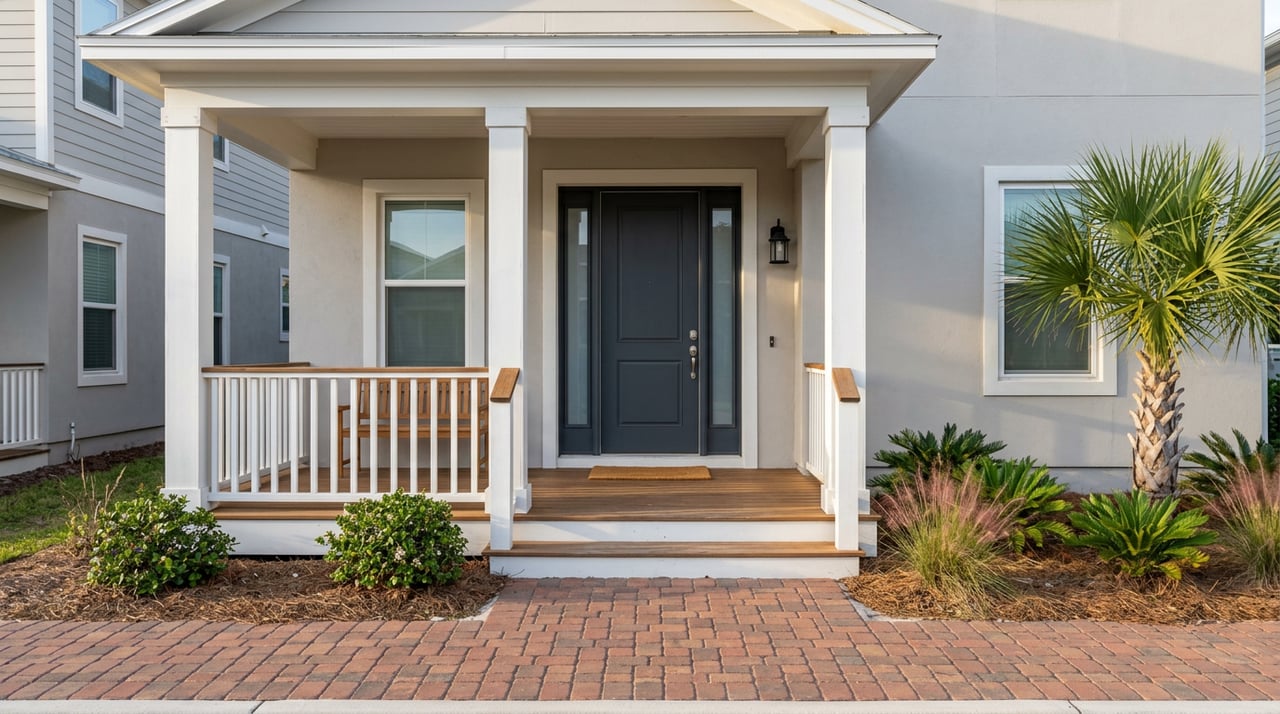
Longleaf’s design reflects the core ideas of neo-traditional planning. Streets slow traffic so walking feels comfortable. Sidewalks line the blocks. Many homes use rear alleys for garages so the street-facing side prioritizes porches, trees, and people instead of driveways. These choices shape the neighborhood’s social feel and make it easier to walk with a stroller, ride a bike, or stop for a chat. For a deeper look at this planning approach, the Congress for the New Urbanism highlights Longleaf’s TND features and intent.
At the core, a small town center gathers local shops, restaurants, and community spaces. It creates a natural destination for short, frequent trips and helps anchor neighborhood events. The original development materials reference a “town center” or “Longleaf Village” that functions as the community’s heart.
Parks, pool, and outdoor life
One of Longleaf’s strengths is how easy it is to be outside. Community amenities often include:
- Heated community pool and spa
- Clubhouse or town hall
- Pocket parks and playgrounds
- Tennis, basketball, and volleyball courts
- Ball fields
- Paved walking and biking trails
- Lakes and ponds
These highlights, frequently listed on community and builder pages, speak to Longleaf’s everyday lifestyle. The location also puts you near some of Pasco’s best natural resources. Longleaf enjoys quick access to Jay B. Starkey Wilderness Park and the regional Suncoast Trail, two great options for biking, running, and weekend hiking. You can learn more about the preserve’s trails and recreation through the Southwest Florida Water Management District’s Starkey Wilderness Preserve page and the community’s amenity summary on Metro Development Group’s Longleaf overview.
Schools and community programs
Longleaf Elementary sits within the neighborhood and is the zoned school for many homes in the community. Always confirm current zoning and performance using official sources. Start with the Longleaf Elementary School site and the Pasco County Schools website for the most recent data and contact details.
Throughout the year, residents mention seasonal programs and pop-up events around the town center and nearby markets. These activities add to the small-town atmosphere. Event schedules and offerings can change, so check local calendars and community boards when you plan a visit.
Home types and current builders
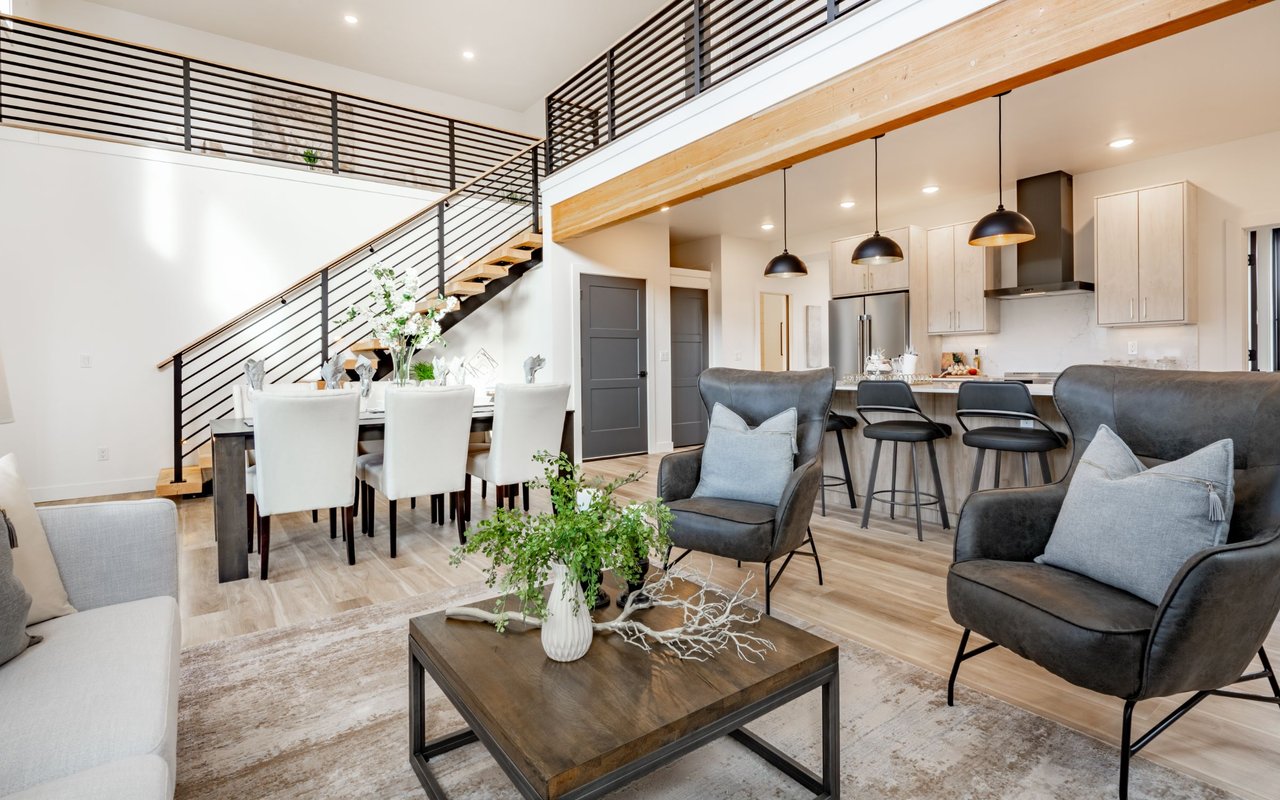
Longleaf offers a mix of housing types across its phases. You’ll find detached single-family homes in a variety of sizes, townhomes, and select newer collections in recent phases. Earlier plans also included live/work concepts near the town center to reinforce the neighborhood’s walkable mix. The CNU profile notes this range as part of Longleaf’s design DNA.
Active builders and collections have varied by phase. As of recent releases, examples include a townhome collection by Lennar called The Townes and single-family offerings in nearby phases by builders such as DRB Homes and Homes by WestBay. You can preview floor plans and general specs for townhomes on the Lennar Townes at Longleaf page. Builder pricing and availability change often, so plan to verify details directly with the builder or through your agent at the time you shop.
HOA and CDD: what to know
Longleaf is served by a public Community Development District (CDD) and by homeowner associations for its subneighborhoods. CDDs fund and maintain certain community infrastructure. Many parcels in Longleaf have both HOA obligations and CDD assessments, and the amounts differ by location and product type.
Instead of assuming a single number, request an itemized estimate that includes HOA dues, CDD assessments, and the property’s tax history for any specific address you are considering. You can find CDD meeting schedules and administrator contacts on the Longleaf Community site. If you are comparing two homes in different tracts, ask for a side-by-side breakdown so you understand total monthly and annual carrying costs.
Getting around and commute
Longleaf sits north of State Road 54 near Starkey Boulevard, which connects you to U.S. 19 and the Suncoast Parkway. The Suncoast Parkway is a common choice for reaching Tampa’s northern employment centers and for accessing I-275. Community and developer pages regularly highlight the Parkway as a primary commuter route, and the Longleaf community overview echoes that positioning.
Distances help with planning. The drive from the New Port Richey area to downtown Tampa is roughly 35 to 40 miles, depending on your exact starting point. Typical drive times can range from about 30 to 60 minutes based on route and traffic. Use a live mapping app for real-time estimates. For a reference point on distance and timing, see this New Port Richey to downtown Tampa travel-time example.
Public transportation is available through GoPasco’s fixed routes and paratransit services, with connections to neighboring systems. Daily commuting in the wider region is primarily car-oriented. Inside Longleaf, you can walk or bike to parks, the pool, school, and the town center.
Walkability: inside the neighborhood vs. the region
A key point for Longleaf is the difference between internal walkability and regional access. Inside the community, front porches, sidewalks, and a central town center make it easy to walk for daily needs like school drop-off or a quick bite. Regionally, most larger shopping trips and commutes still depend on a car. This balance is part of Longleaf’s appeal if you want that neighborhood feel at home and fast highway access when you head out.
How Longleaf compares nearby
- Longleaf vs. wider Trinity: Longleaf sits within the Trinity market area and typically positions above the broader New Port Richey city median. It blends a small-town design with suburban convenience, often at prices below the highest-end estate or gated golf enclaves you find in nearby Odessa or Keystone.
- Longleaf vs. Seven Springs and older pockets: Established New Port Richey neighborhoods such as Seven Springs include many earlier-generation homes and smaller lot sizes on average. They can serve as more budget-flexible alternatives, while Longleaf emphasizes its planned town center, porches, and community programming.
- Longleaf vs. Starkey Ranch and Odessa/Keystone: These areas often feature larger lots and newer higher-end products. If you want a walkable, front-porch look and a town-center vibe, Longleaf provides that character in a slightly different market position.
- Longleaf and downtown New Port Richey: Downtown offers a more urban, riverfront dining and shopping scene. Longleaf delivers a small-town neighborhood experience at home, while downtown adds a separate destination for nights and weekends.
Is Longleaf a fit for you?
Longleaf may be a strong match if you:
- Value front-porch architecture, sidewalks, and a town-center lifestyle.
- Want a choice of townhomes and single-family homes across different phases and sizes.
- Like the idea of a community pool, parks, and quick access to the Starkey Wilderness area and the Suncoast Trail.
- Need straightforward highway access to Tampa’s employment centers while keeping daily life close to home.
- Prefer an established master plan with ongoing activities and a connected neighborhood feel.
Buying in Longleaf: simple next steps
Here is a clear way to explore Longleaf without surprises:
- Tour the neighborhood at different times. Walk the town center, parks, and sidewalks to get a feel for daily life.
- Compare builders and resale options. Review floor plans, lot orientation, and the age and condition of homes in your price range.
- Request an itemized HOA + CDD + tax estimate. Costs vary by tract and product type, so review the exact numbers for each address.
- Test your commute. Try your route to work, school, or the airport during your typical travel hours.
- Confirm school details. Start with the Longleaf Elementary School site and district sources for current zoning and performance.
- Plan your offer strategy. If you are buying new construction, check builder timelines, incentives, and included features. For resales, assess comparable sales, inspection risks, and any needed updates.
If you want a steady, step-by-step process with local insight and negotiation-focused representation, reach out. Whether you are relocating, moving up, or downsizing, you deserve a calm guide who protects your interests and keeps the process clear from first tour to closing.
Ready to explore homes or talk timing? Connect with Kristy Thurber for local guidance tailored to your goals.
FAQs
What makes Longleaf different from other New Port Richey neighborhoods?
- Longleaf is a Traditional Neighborhood Development with front porches, sidewalks, and a small town center that encourage daily walkability and neighbor connection, as outlined in the CNU overview.
Does Longleaf really have a town center with shops and community space?
- Yes, the master plan includes a village-like town center with local businesses and event space, referenced in Longleaf’s development materials.
What amenities can I use in Longleaf?
- Community highlights often include a heated pool and spa, clubhouse or town hall, playgrounds, courts, ball fields, trails, and ponds, summarized by Metro Development Group.
Is there a CDD in Longleaf and how do fees work?
- Longleaf has a CDD along with HOAs for subneighborhoods; fees vary by location and product type, and CDD contacts are listed on the Longleaf Community site.
How long is the commute from Longleaf to downtown Tampa?
- The distance is roughly 35 to 40 miles and drive times often range 30 to 60 minutes depending on route and traffic; see a reference on DistancesFrom and use live maps for real-time estimates.
What outdoor options are near Longleaf besides community parks?
- Jay B. Starkey Wilderness Park and the Suncoast Trail are nearby regional assets for biking, running, and hiking, as noted by the Southwest Florida Water Management District.
Which schools serve Longleaf?
- Longleaf Elementary is sited within the community; always verify current zoning and performance using official sources like the Longleaf Elementary School site.
What home types and builders are active in Longleaf?
- You will find a mix of townhomes and single-family homes across phases; examples include Lennar’s Townes collection, with details shown on NewHomeSource, and other single-family offerings in recent phases.